
GroundIQ Validate
Drill where it changes the answer.
Early geophysical screening shows where the ground is uncertain, so that's where the boreholes, CPTs and in-situ tests go - each location, depth and test chosen for a reason, not spread evenly across a grid.



Most investigation plans are made before the ground is known.
Investigation programmes are typically laid out by spacing convention, footprint and access - informed by a desk study, but not by measurement. The plan is set at the point of least knowledge about the site.
Risk-based investigation
The model designs the investigation.
The screening model maps where the ground is uncertain. Each zone becomes the right test — borehole, CPT, trial pit or in-situ — at a depth and for a purpose. Placement, not count.


Investigation plan
An investigation plan with reasons attached.
Every location comes with the reason it exists — the hypothesis it tests, the depth it must reach, the tests required, and what a result would mean for the design. Even the zones we deliberately leave alone are recorded, with the evidence.
Field execution
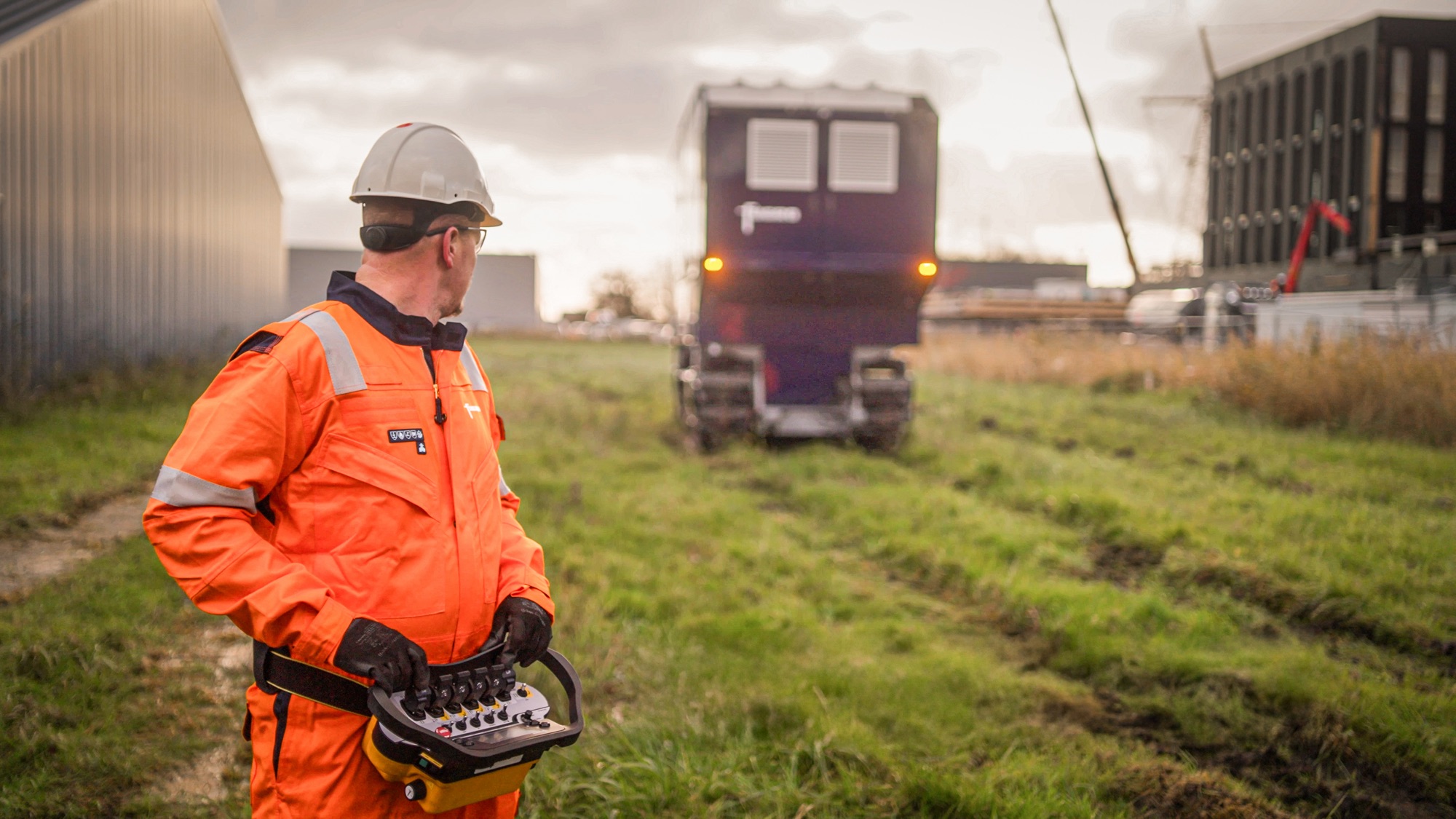
Geotechnical data acquired by Fugro's own crews and rigs
Geotechnical ground investigations for infrastructure projects of every scale and setting: boreholes, CPTs, in-situ testing, sampling and laboratory work - all with our own crews and rigs.

Adaptive fieldwork
The programme adapts while the rig is still on site.
Every borehole, CPT and test result goes straight into the 3D model, so each next location is chosen from what the last one showed. If something unexpected appears, the remaining scope moves to resolve it - while the crew is still there.
Testimonials
Trusted by infrastructure and geotechnical teams.
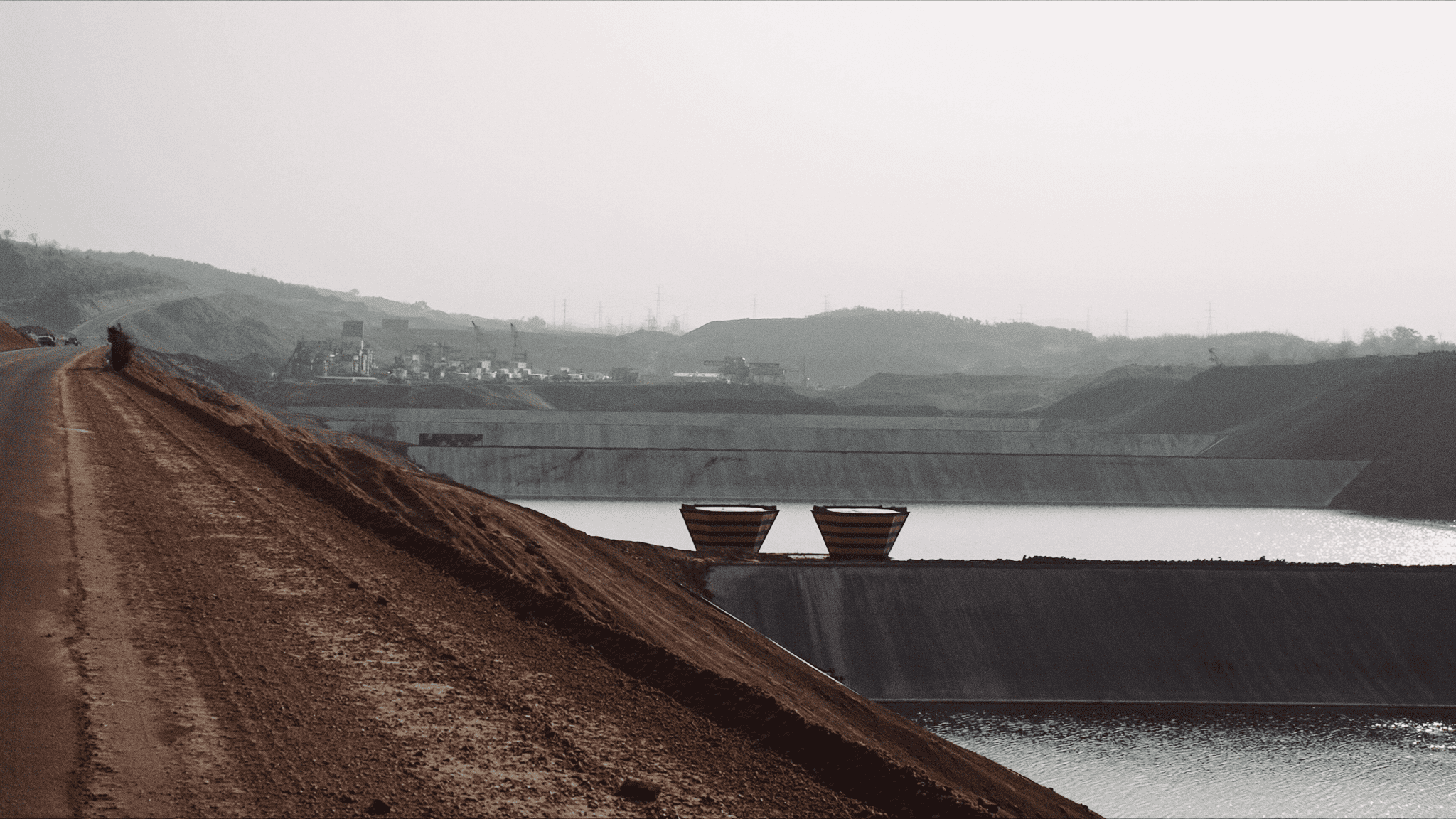

Revealing ground risk for a hydrogen plant: How GroundIQ® delivered clearer subsurface insight
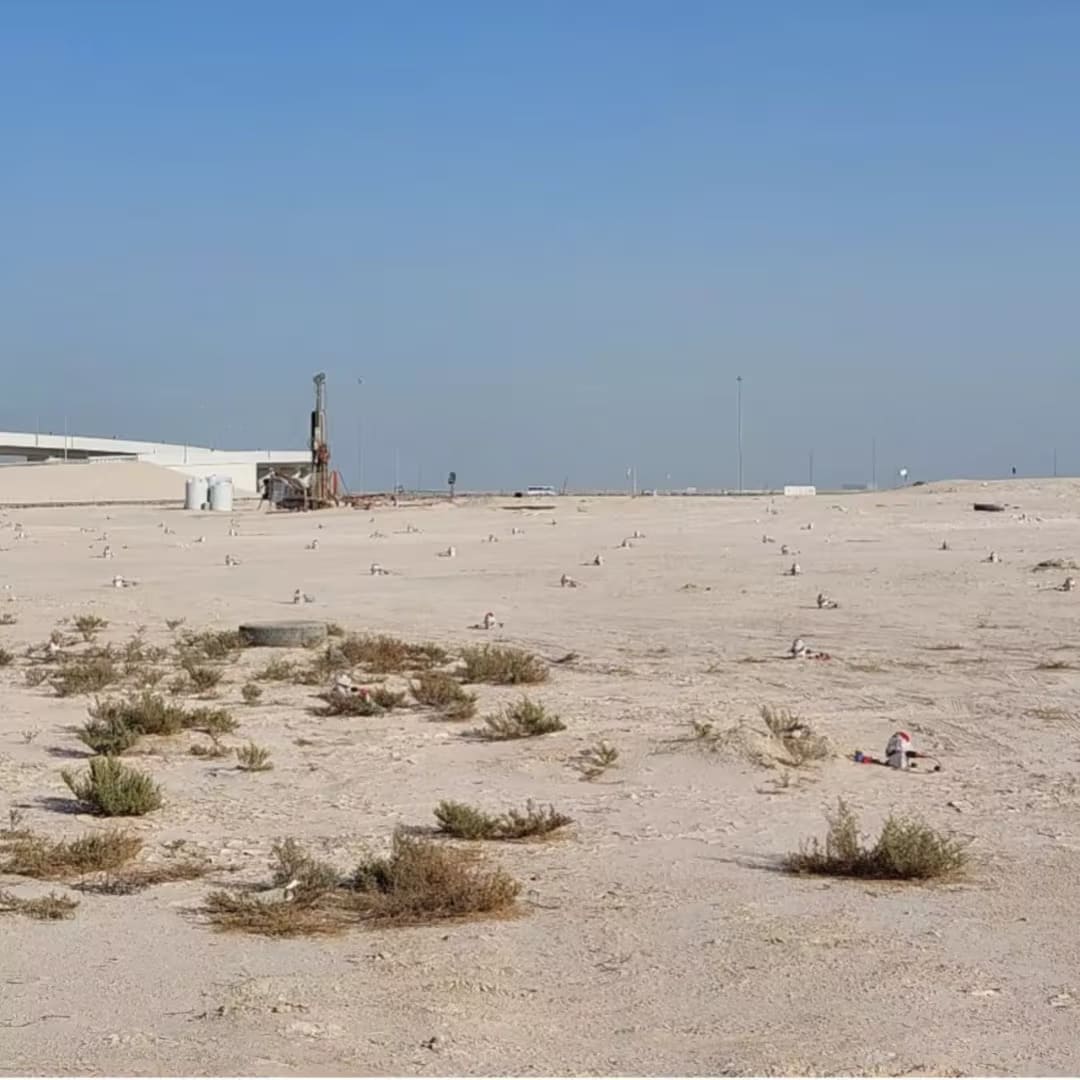
GroundIQ® demonstrates a 50% time-saving screening for pumping station